

Mastering Currency Trading: Effective Risk Management Strategies
Currency trading can feel like navigating a storm without a compass—currency volatility strikes fast and without warning. If your risk management isn’t watertight, losses can quickly spiral. This guide breaks down practical financial strategies like forward trading and limit orders, designed to put you in control and protect your bottom line. Stay with us to sharpen your approach and safeguard your global finance operations. For more information on risk management, visit this resource.## Understanding Currency Trading Risks

Diving into currency trading, it’s crucial to grasp the risks involved. Knowledge of these risks empowers you to trade with confidence. Let’s start with currency volatility.
Currency Volatility Explained
Currency volatility can shake even seasoned traders. It refers to the unpredictable fluctuations in currency values. These shifts can be influenced by various factors like economic data and geopolitical events. For example, a surprise interest rate cut by a central bank can send a currency plummeting or soaring within minutes.
-
Example: In 2015, the Swiss National Bank removed its currency cap, causing the Swiss franc to surge by nearly 30% against the euro in one day.
-
Takeaway: Understanding these dynamics can help you anticipate and respond to market changes.
Many believe that volatility is always bad, but it can also present opportunities. By staying informed, you can harness volatility to your advantage.
Common Pitfalls in Trading
Even the most experienced traders can fall into common traps. These pitfalls often stem from emotional decisions rather than strategic thinking.
-
Chasing Losses: This happens when you try to recover losses by making more trades. It often leads to even bigger losses.
-
Ignoring Trends: Overconfidence can lead to ignoring market trends, which can be costly.
-
Statistic: Almost 40% of traders lose money mainly due to emotional trading.
-
Tip: Stick to your trading plan and avoid making decisions based on fear or greed.
Remember, the market doesn’t care about past losses. Focus on making informed decisions based on current data and trends.
Key Risk Management Strategies

After understanding the risks, employing effective strategies is crucial. Let’s explore some key methods to safeguard your trades.
Forward Trading Techniques
Forward trading allows you to lock in a currency exchange rate for a future date. This can protect you from adverse rate movements.
-
Benefit: It provides certainty in uncertain markets, helping you plan your finances with confidence.
Consider a business needing to pay an overseas supplier in six months. By locking in today’s rate, they avoid potential rate increases.
-
Statistic: Companies using forward contracts often see a 10% improvement in cost predictability.
Want to master forward trading? Check out this detailed guide.
Implementing Limit Orders
Limit orders set specific price points for buying or selling. This allows you to control your trades without constantly monitoring the market.
-
Advantage: It ensures you never pay more than you intend for a currency.
For instance, if you wish to buy euros only if they fall to a certain level, a limit order can automate this process. This strategy helps avoid impulsive buying.
-
Quote: “With limit orders, you dictate the terms of your trades.” – XS
These strategies can significantly reduce your trading risks by putting you in control.
Building a Resilient Trading Plan
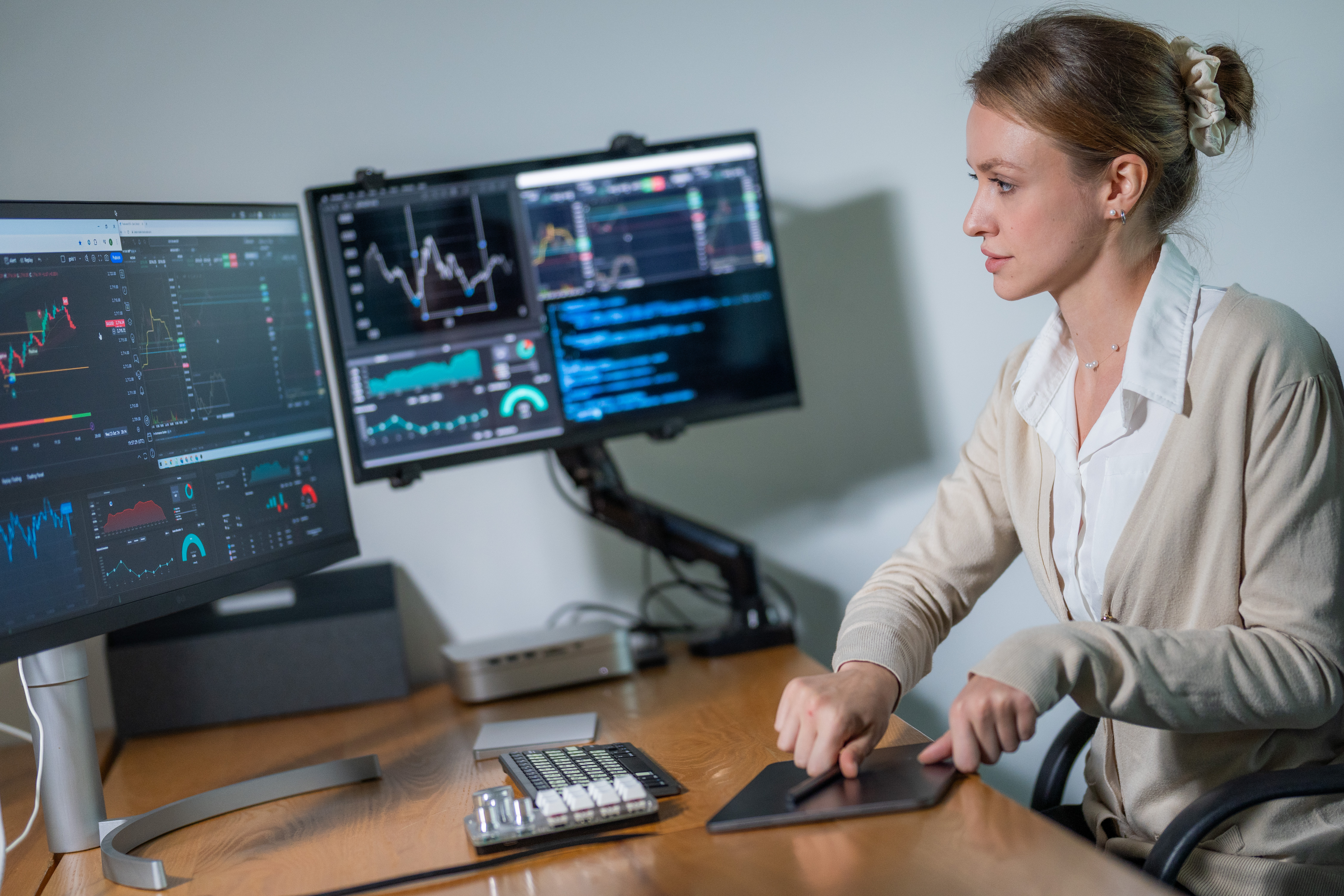
Creating a solid trading plan is your roadmap to success. It combines strategy, discipline, and flexibility.
Setting Realistic Financial Goals
Clear financial goals are the backbone of your trading plan. They guide your decisions and keep you focused.
-
Step 1: Define short-term and long-term objectives. This could mean targeting a specific profit or expanding your currency portfolio.
-
Step 2: Break these goals into actionable steps, such as setting trade limits or diversifying your trades.
A well-defined plan not only guides your trading decisions but also helps measure progress.
Monitoring Global Finance Trends
Staying updated on global financial trends is vital. It ensures your strategy adapts to market changes.
-
Tip: Regularly read financial news and reports to identify influential trends.
-
Statistic: Traders who adapt to market shifts see a 15% higher success rate.
Most people overlook the impact of global events on currency trading. By staying informed, you can react swiftly and strategically.
As you refine your trading plan, remember that the longer you wait to implement these strategies, the more opportunities may pass you by. Take action today to secure your financial future.